

New Build Inspections vs. Resale Inspections: What’s the Difference and Why You Still Want One
Whether you are under contract on a brand new home or a resale property with a long history, inspections play a critical role in protecting your investment. What many buyers do not realize is that new build inspections and resale inspections serve different purposes, but both matter in Colorado’s unique climate and building environment.
Should I get an inspection on a New Build in Colorado?
A new construction home can look perfect on the surface. Clean finishes, brand new systems, and modern materials can make you excited and 'feel' great about the home. But pretty does not automatically mean problem-free.
Even well-built new homes can have issues such as framing errors, plumbing leaks, electrical concerns, or HVAC systems that are not installed or calibrated correctly. These issues are often hidden once drywall and finishes are installed.
There are two common types of new build home inspections: pre-drywall inspections and pre-closing/pre-possession inspections.
New Builds: Pre-Drywall Inspection
A pre-drywall allows the inspector to view the home while the structure is still exposed, which lets them evaluate framing, wiring, plumbing, and insulation in a way that simply is not possible later.
One additional benefit of a pre-drywall inspection is that you can get photos of the home without drywall up, showing the ductwork, framing, wiring, and plumbing locations before they're hidden behind the walls (which can help in remodels, repairs, and other future work!)
New Builds: Pre-Possession Inspections
In some cases, buyers can also schedule a pre-closing or pre-possession inspection. This takes place after finishes are installed but before you officially close or move in.
This inspection allows you to test systems once they are fully operational, check doors, windows, cabinets, fixtures, and appliances, and identify cosmetic or functional issues before taking ownership.
Most builders offer a pre-closing walkthrough, where you and the builder walk through the home together to identify mistakes, needed touchups, and damage that may have occurred during construction. This is often called a 'blue tape walkthrough', as you mark the issue with (you called it!) blue tape.
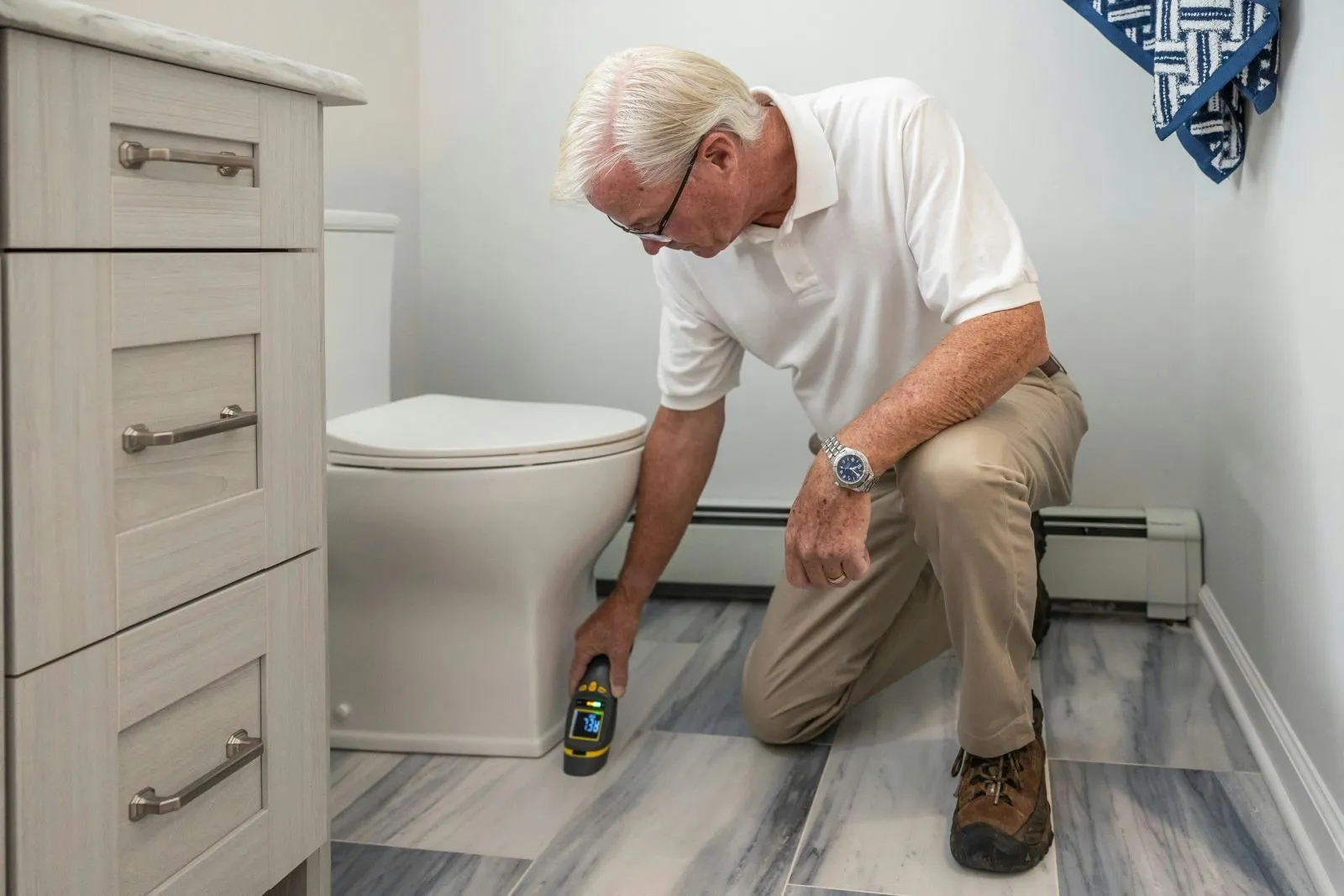
So, why is it important to have a third party inspection in addition to this walkthrough? Because they are professionals! They will look for things that you may not consider - ensuring the toilet is sealed to the ground, that the insulation looks correct in the attic, and that the plumbing looks correct in the kitchen. These items can be added to the punch list of items the builder will address prior to you moving in!
Resale Home Inspections: Understanding the Home As It Exists Today
Resale homes require a different approach. These homes have been lived in and exposed to Colorado’s climate over time, which bring their own type of issues.
A resale inspection evaluates:
- Wear and tear from years of use
- The current condition of major systems
- Safety concerns and deferred maintenance
- Potential future repairs or replacements
- Improper work that a homeowner may have done themselves over the years
This general inspection typically includes the roof, foundation, structure, electrical, plumbing, HVAC, insulation, ventilation, moisture intrusion, and visible appliances. They can include additional inspections like radon testing, mold testing, scoping the sewer line, and scanning the house with an infrared device to identify concerning temperature differences.
Colorado specific inspection concerns
Inspection concerns are not one-size-fits-all. In some areas of the United States, mold, termites, or wood-rot may be common concerns, but in Colorado, local conditions make radon, soil movement, and freezing weather far more likely to come up in an inspection (though this doesn't mean the others don't come up!)
Radon
Colorado has some of the highest radon levels in the country. Radon is an odorless, invisible gas that can only be identified through testing. Elevated levels are common in both new construction and older homes, even when a radon system is already installed (to ensure that it's doing the job!)
Expansive Soils
Many areas of Colorado have expansive clay soils that swell when wet and shrink when dry. Over time, this movement can impact foundations, slabs, and structural components. Inspections pay close attention to cracking, drainage, and landscape grading to help identify signs of soil-related movement. They will also recommend any repairs for movement that may have already happened, and can provide insight into which issues may be a red flag for future problems.
Wildfire Risk and Fire-Resistant Construction
It's common knowledge that wildfire risk is an increasing concern across Colorado. Inspections often evaluate exterior materials such as siding, roofing, decks, and vents, as well as clearance around the home. Fire-resistant materials like fiber cement siding and Trex decking can reduce risk, but installation quality still matters.
Freeze resistant pipes
Cold winters lead to frozen pipes, and frozen pipes can lead to flooding. An inspector will help identify if there are areas where plumbing is exposed to cold air, causing a risk of freezing. They will also look for freeze-free hose bibs and proper drainage for your annual sprinkler blow-out.
The Bottom Line
New build inspections, pre-finished inspections, and resale inspections all serve different purposes. They are about understanding the home, identifying risks, and making informed decisions.
In Colorado, where environmental factors like radon, wildfire risk, and freezing temperatures play a major role, inspections are especially important. Having the right inspections at the right time can help protect both your investment and your long-term comfort.
If you are building or buying a home and are unsure which inspections make sense for your situation, I am always happy to help you talk through your options and create a plan that fits your goals.